
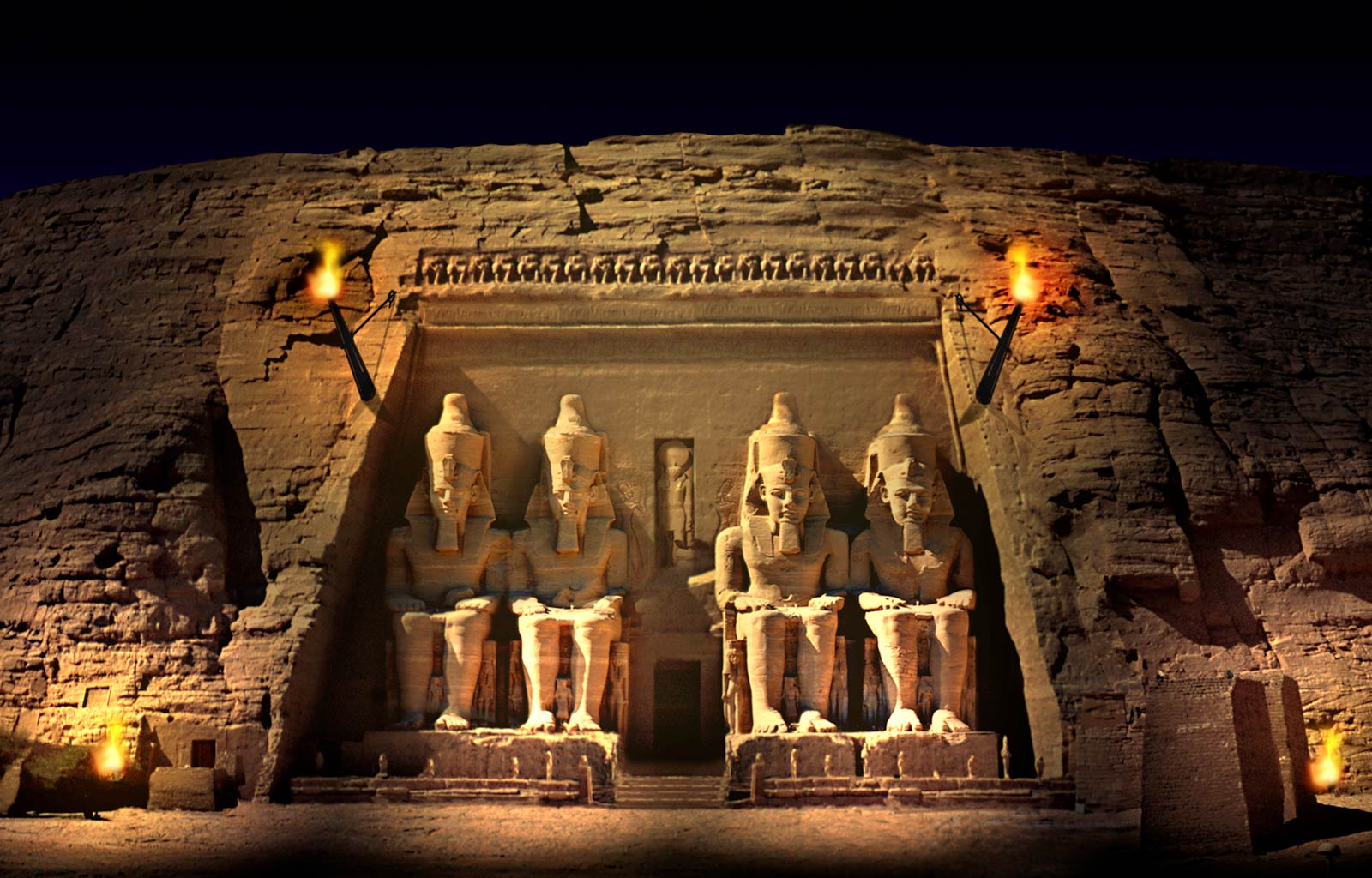
The Temple of Ramesses II is an ancient Egyptian temple located in the city of Marsa Matruh, Egypt. It is located on the coast of the Mediterranean Sea, and is one of the most important archaeological sites in the region.
The temple was built by the pharaoh Ramesses II in the 13th century BC. It was dedicated to the gods Ra-Horakhty, Amun-Re, and Ptah. The temple is a large complex, and includes a number of different structures, including a pylon, a hypostyle hall, a sanctuary, and a number of smaller rooms.
The pylon is the main entrance to the temple. It is decorated with scenes of Ramesses II defeating his enemies. The hypostyle hall is a large hall with a row of columns. The sanctuary is the most sacred part of the temple. It is where the statues of the gods were housed.
The temple is in a good state of preservation, and is a popular tourist destination. It is a great place to learn about ancient Egyptian history and culture.
Here are some additional facts about the Temple of Ramesses II:
- The temple is approximately 100 meters long and 50 meters wide.
- It is made of limestone and sandstone.
- The temple is decorated with scenes of Ramesses II's military campaigns, as well as scenes of him worshipping the gods.
- The temple was built to commemorate Ramesses II's victory over the Hittites at the Battle of Kadesh.
- The temple is a UNESCO World Heritage Site.
The Temple of Ramesses II is a fascinating and important archaeological site. It is a great place to learn about ancient Egyptian history and culture, and is a must-see for any visitor to Marsa Matruh.