Nubia, located in present-day southern Egypt and northern Sudan, is home to a rich and diverse cultural heritage shaped by its long history and unique geographical position along the Nile River. Here are some key aspects of Nubian culture, traditions, and lifestyle:
-
Ancient Civilization: Nubia is renowned for its ancient civilizations, including the Kingdom of Kush, which flourished from around 2500 BCE to 350 CE. The Nubians developed their own distinct culture, language (Nubian languages), and religious beliefs, while also interacting with neighboring civilizations such as Egypt and later the Greco-Roman world.
-
Language and Literature: Nubian languages, including Nobiin, Dongolawi, and Kenzi-Dongola, are part of the Nilo-Saharan language family. Traditional Nubian oral literature includes poetry, folk tales, and songs that have been passed down through generations, often reflecting themes of love, heroism, and cultural identity.
-
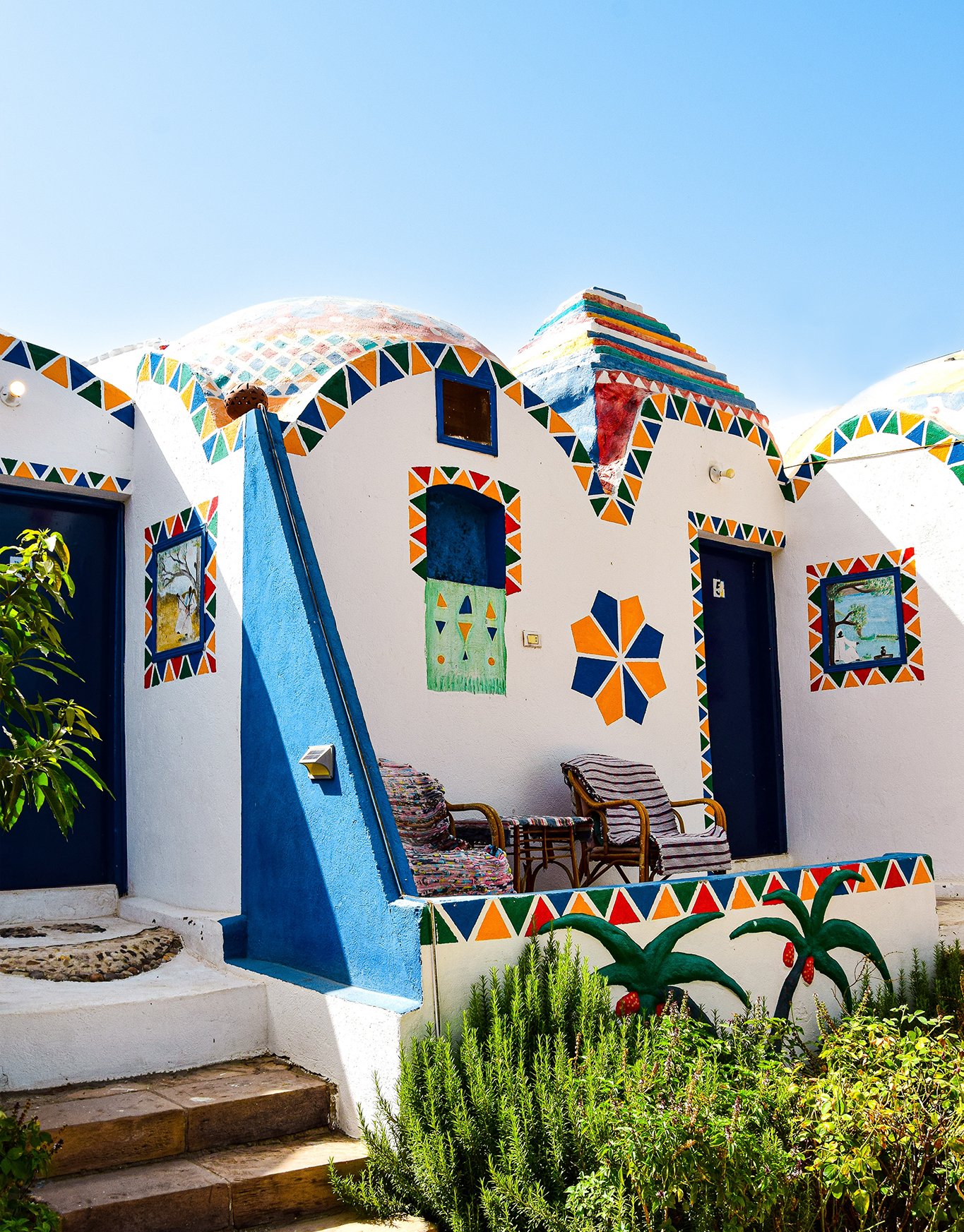
Architecture and Art: Nubian architecture is characterized by its distinctive mud-brick houses with domed roofs, painted geometric patterns, and decorative elements such as carved wooden doors and window shutters. Nubian art often features motifs inspired by nature, animals, and traditional symbols, which are depicted in paintings, pottery, and textile crafts.
-
Music and Dance: Music and dance play a central role in Nubian culture, serving as expressions of joy, celebration, and community bonding. Traditional Nubian music features instruments such as the tambour (drum), arghul (double-reed flute), and simsimiyya (a type of lyre). Nubian dances, such as the al-ayyala and al-dandiyya, involve rhythmic movements and group participation.
-
Cuisine: Nubian cuisine is known for its flavorful dishes made with locally sourced ingredients, including grains, legumes, vegetables, and meats such as lamb and fish. Staple foods include ful medames (mashed fava beans), kisra (a type of flatbread), and asida (a porridge-like dish). Nubian cuisine often incorporates aromatic spices and herbs, such as coriander, cumin, and fenugreek.
-
Traditional Clothing: Traditional Nubian clothing varies by region and occasion but often includes loose-fitting garments made from lightweight fabrics to cope with the region's hot climate. Women may wear colorful dresses with elaborate embroidery and jewelry, while men typically wear long robes and headscarves. Traditional Nubian attire reflects cultural pride and identity.
-
Social Structure and Values: Nubian society traditionally places importance on family ties, community cohesion, and hospitality. Extended families often live together in compound-style houses known as "mahras," fostering strong social bonds and mutual support. Respect for elders, generosity towards guests, and cooperation within the community are valued cultural norms.
-
Religious Beliefs: Historically, Nubia was home to a diverse array of religious beliefs, including indigenous Nubian gods and goddesses as well as the adoption of Egyptian and later Christian and Islamic faiths. Today, the majority of Nubians are Muslim, with a smaller Christian minority, although elements of traditional Nubian spirituality and folklore persist.
-
Ethnic Identity: Nubian culture is deeply intertwined with ethnic identity, with Nubians proudly preserving their heritage and distinct cultural practices despite historical challenges such as displacement and cultural assimilation. Nubian identity is often expressed through language, customs, and traditions that distinguish them from other ethnic groups in the region.
-
Housing and Settlements: Traditional Nubian villages are typically located along the banks of the Nile River or its tributaries, where fertile land and access to water support agriculture and fishing. Nubian houses are built using locally sourced materials such as mud bricks, palm fronds, and straw, with architectural features designed to withstand the region's harsh climate and flooding.
-
Craftsmanship and Artistry: Nubian artisans are known for their skilled craftsmanship and artistic talents, producing a wide range of handmade goods and artisanal products. These include intricately woven textiles, pottery, basketry, and woodcarvings, which showcase traditional techniques and designs passed down through generations.
-
Cultural Festivals and Celebrations: Nubian culture is rich in festive traditions and celebrations that mark important milestones in life, agricultural cycles, and religious observances. Festivals such as "Shai Abu Simbel" and "Tahag" feature music, dance, feasting, and colorful processions, bringing communities together to honor their cultural heritage and express collective joy.
-
Environmental Knowledge and Stewardship: Nubian communities have developed intimate knowledge of their natural surroundings and sustainable practices for managing resources such as water, land, and biodiversity. Traditional agricultural techniques, including terrace farming and irrigation systems, demonstrate a deep understanding of the local ecosystem and the need for harmonious coexistence with nature.
-
Migration and Diaspora: Throughout history, Nubian communities have experienced periods of migration, displacement, and resettlement due to factors such as political upheaval, conflict, and development projects such as the construction of dams along the Nile River. As a result, Nubian diaspora communities exist in various parts of Egypt, Sudan, and beyond, maintaining ties to their ancestral homeland and preserving Nubian culture and traditions.
-
Cultural Revival and Preservation: In recent years, there has been a growing interest in preserving and revitalizing Nubian culture and heritage, both within Nubian communities and among scholars, activists, and cultural organizations. Efforts to document oral histories, revive traditional crafts, and promote Nubian language and arts contribute to the ongoing cultural renaissance and reaffirm the importance of Nubian identity and pride.
These additional aspects further highlight the depth, complexity, and resilience of Nubian culture, which continues to evolve and thrive in the face of modern challenges while maintaining its deep-rooted connection to the past.